A Windows activation tool is a broad term used to describe software mechanisms and utilities that help confirm, manage, or validate the activation status of a Windows operating system. Activation itself is a mandatory step in the Windows lifecycle, ensuring that the installed copy of the operating system complies with Microsoft’s licensing requirements and can access the full range of system features, updates, and security services.
Over the years, Windows activation has evolved from simple product key validation into a more complex ecosystem that includes digital licenses, hardware-bound activation, enterprise key management services, and cloud-based verification. As a result, interest in Windows activation tools has grown, especially among technical users, system administrators, and professionals working with testing environments or large-scale deployments.
This article provides a structured overview of Windows activation tools, explaining how they fit into the Windows licensing framework, what types of activation methods exist, and why different tools are used in different scenarios. The focus is on understanding activation technologies rather than promoting specific workflows or shortcuts.
What Is a Windows Activation Tool?
A Windows activation tool refers to any software-based mechanism designed to initiate, manage, or verify the activation state of a Windows operating system. In practical terms, these tools interact with Windows licensing services to confirm whether the operating system has been properly activated using a valid license.
Activation is not simply a one-time check. It is a continuous process that ties the operating system to a specific licensing model, hardware configuration, or organizational infrastructure. Windows activation tools operate within this framework by communicating with licensing components, validating activation credentials, or assisting users in managing activation status across devices.
From a technical standpoint, Windows activation tools can be divided into two broad categories: official tools provided by Microsoft and third-party tools that emulate or automate certain activation processes. Each category serves a different purpose and is typically used in different environments.
Why Windows Activation Is Important
Activation plays a critical role in maintaining the integrity and functionality of the Windows operating system. Without proper activation, Windows may restrict access to personalization features, display persistent notifications, or limit system updates. More importantly, activation ensures that the system can receive essential security patches and feature updates from Microsoft.
From a business and enterprise perspective, activation is also a compliance requirement. Organizations must ensure that all deployed systems are properly licensed to avoid legal risks and operational disruptions. In this context, Windows activation tools are often used to monitor activation status, troubleshoot licensing issues, or streamline activation across multiple devices.
For individual users, activation confirms that the operating system is genuine and eligible for ongoing support. This is why Windows activation tools are frequently discussed not only as utilities, but as integral components of system management and maintenance.
Types of Windows Activation Tools
Windows activation tools vary significantly depending on their origin, purpose, and level of integration with Microsoft’s licensing infrastructure. Understanding these differences is essential for selecting the appropriate approach in a given environment.
Official Windows Activation Tools
Official Windows activation tools are developed and maintained by Microsoft. These tools are fully compliant with licensing agreements and are designed to work seamlessly with supported versions of Windows.
Examples include built-in activation services within Windows Settings, command-line licensing utilities, and cloud-based activation tied to Microsoft accounts. These tools rely on valid product keys, digital licenses, or organizational activation servers to verify authenticity.
Official tools are typically preferred in production systems, enterprise environments, and any scenario where long-term stability and compliance are required.
Third-Party Windows Activation Tools
Third-party Windows activation tools are utilities developed outside of Microsoft’s official ecosystem. They are often designed to automate activation workflows or emulate enterprise activation mechanisms such as Key Management Service (KMS).
These tools are commonly referenced in technical discussions related to testing environments, virtual machines, and educational setups. However, they operate outside official licensing channels and may introduce legal, security, or compatibility considerations.
Overview of Windows Activation Tool Types
| Tool Category | Source | Typical Usage | Compliance Level |
|---|---|---|---|
| Official activation tools | Microsoft | Personal and enterprise systems | Fully compliant |
| Third-party activation tools | External developers | Testing and lab environments | Varies by context |
How Windows Activation Works
Windows activation is based on a combination of license verification, hardware identification, and communication with Microsoft’s activation infrastructure. When a Windows system is activated, the operating system generates a hardware profile that is associated with a valid license.
In modern versions of Windows, activation is often linked to a digital license, which is stored on Microsoft’s servers and associated with a specific device or Microsoft account. This allows Windows to automatically reactivate after system reinstallations, provided the hardware configuration remains largely unchanged.
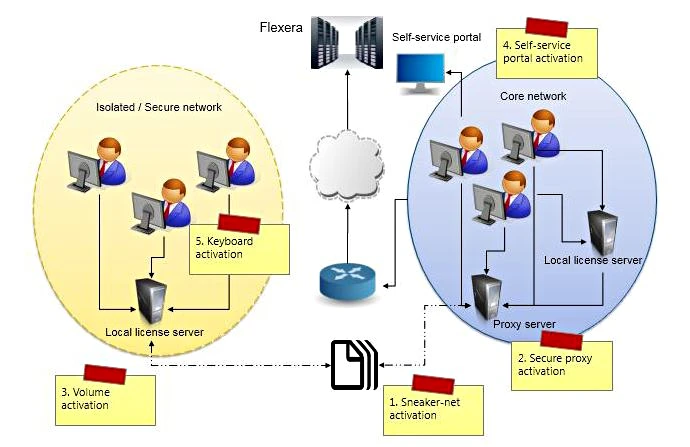
In enterprise environments, activation may be handled through centralized systems that allow multiple devices to activate using organizational credentials. Windows activation tools interact with these mechanisms by initiating license checks, validating credentials, or reporting activation status.
Windows Activation Tool for Windows 10 and Windows 11
Windows 10 and Windows 11 introduced more advanced activation models compared to earlier versions of the operating system. In both cases, Windows activation tools must account for digital licensing, hardware-based validation, and cloud synchronization.
For Windows 10, activation is often tied to a digital license linked to a Microsoft account. This simplifies reactivation after system upgrades or hardware changes. Windows activation tools designed for this environment focus on license detection, activation troubleshooting, and status verification.
Windows 11 builds on this model, introducing additional hardware requirements and security features. As a result, Windows activation tools for Windows 11 must also account for system integrity checks and updated licensing mechanisms. Compatibility with these newer systems is a key consideration when evaluating any activation-related utility.
Pros and Cons of Using a Windows Activation Tool
Windows activation tools are often evaluated based on their practicality, flexibility, and risk profile. Understanding both advantages and drawbacks helps clarify why different tools are chosen for different environments.
Advantages of Using Windows Activation Tools
One of the main advantages of a Windows activation tool is process automation. In environments where multiple systems are deployed, activation tools can reduce manual input and minimize repetitive tasks. This is particularly relevant for IT teams managing virtual machines, test systems, or temporary installations.
Another benefit is compatibility across Windows versions. Many activation tools are designed to recognize different Windows editions and builds, making them adaptable in mixed environments where legacy systems coexist with newer installations.
Windows activation tools also provide visibility into activation status. Diagnostic features can help identify licensing issues, expired activations, or misconfigured systems, which is valuable for troubleshooting and compliance checks.
Drawbacks and Limitations
Despite their usefulness, Windows activation tools also present limitations. One of the most significant concerns is security detection. Tools that interact with licensing services or system components are frequently flagged by antivirus software, which may disrupt normal system operation.
Another limitation involves compatibility with updates. As Windows evolves, changes to licensing mechanisms can render certain tools ineffective or unstable. This is especially relevant after major feature updates or version upgrades.
Finally, there are legal and compliance considerations. Not all Windows activation tools operate within official licensing frameworks, which may expose users or organizations to licensing risks if used improperly.
Advantages vs Disadvantages of Windows Activation Tools
| Advantages | Disadvantages |
|---|---|
| Automation of activation processes | Antivirus and security detections |
| Supports multiple Windows versions | Compatibility issues after updates |
| Useful for testing and lab environments | Legal and licensing compliance concerns |
| Activation status visibility | Limited official support |
Security Risks and Considerations
Security is a central topic when discussing any Windows activation tool. Because activation tools interact directly with system licensing services, they often require elevated permissions, which increases their visibility to security software.
Many third-party activation tools are classified as Riskware or HackTool. This classification is usually based on behavior rather than intent, as the tools modify system states related to licensing. While this does not automatically indicate malware, it highlights the importance of using such tools only in controlled environments.
Another concern is source reliability. Activation tools distributed outside official channels may be bundled with unwanted software or modified versions that pose real security threats. This is why security discussions frequently emphasize system isolation, virtual environments, and careful validation when analyzing activation-related utilities.
Legal and Compliance Issues with Windows Activation Tools
From a legal standpoint, Windows activation is governed by Microsoft’s licensing agreements. Official activation tools and methods are designed to comply fully with these terms, while third-party tools may not.
Using a Windows activation tool outside approved licensing models can result in:
- violation of software license agreements;
- loss of access to official support;
- potential compliance issues in corporate environments.
For organizations, licensing audits and regulatory requirements make it essential to distinguish between evaluation or testing use and production deployment. Windows activation tools are therefore more commonly discussed in educational, laboratory, or analytical contexts rather than operational systems.
Legal Context of Windows Activation Methods
| Activation Method | Licensing Status | Typical Usage Context |
|---|---|---|
| Official Microsoft tools | Fully compliant | Personal and enterprise systems |
| Digital license | Fully compliant | Consumer and business devices |
| Third-party activation tools | Context-dependent | Testing and evaluation only |
Alternatives to Windows Activation Tools
In many cases, alternatives to third-party Windows activation tools offer safer and more sustainable solutions. These alternatives are built directly into Microsoft’s ecosystem and are designed to simplify activation without compromising compliance.
Common alternatives include:
- Digital licenses linked to Microsoft accounts;
- Product key activation using retail or OEM keys;
- Enterprise activation services, such as centralized license management systems.
These methods provide long-term stability, compatibility with updates, and access to official support channels, making them preferable for production systems.
Common Questions About Windows Activation Tools
What is a Windows activation tool used for?
A Windows activation tool is used to initiate, manage, or verify the activation status of a Windows operating system, ensuring that it is properly licensed.
Are Windows activation tools safe to use?
Safety depends on the type of tool and the environment in which it is used. Official tools are safe, while third-party tools may carry security or compatibility risks.
Can Windows activation tools work on Windows 11?
Many activation tools support Windows 11, but compatibility varies depending on system updates and licensing models.
Why do antivirus programs flag some activation tools?
Activation tools often modify system licensing components, which triggers heuristic security detection.
How can I check if Windows is activated?
Activation status can be verified through Windows Settings or built-in licensing commands within the operating system.
Final Notes
A Windows activation tool plays an important role in understanding how Windows licensing and activation systems function. Whether used for diagnostics, testing, or large-scale deployment management, these tools provide insight into the activation lifecycle of modern Windows operating systems.
At the same time, careful consideration must be given to security, compatibility, and licensing compliance. Choosing the right activation method depends on the environment, purpose, and long-term requirements of the system. This overview is intended to clarify the role of Windows activation tools without promoting specific activation shortcuts or non-compliant practices.